
Centro Integral de Rendimiento Deportivo
Measures each employee's fitness and gives them a plan built around the indicators that person needs to improve.
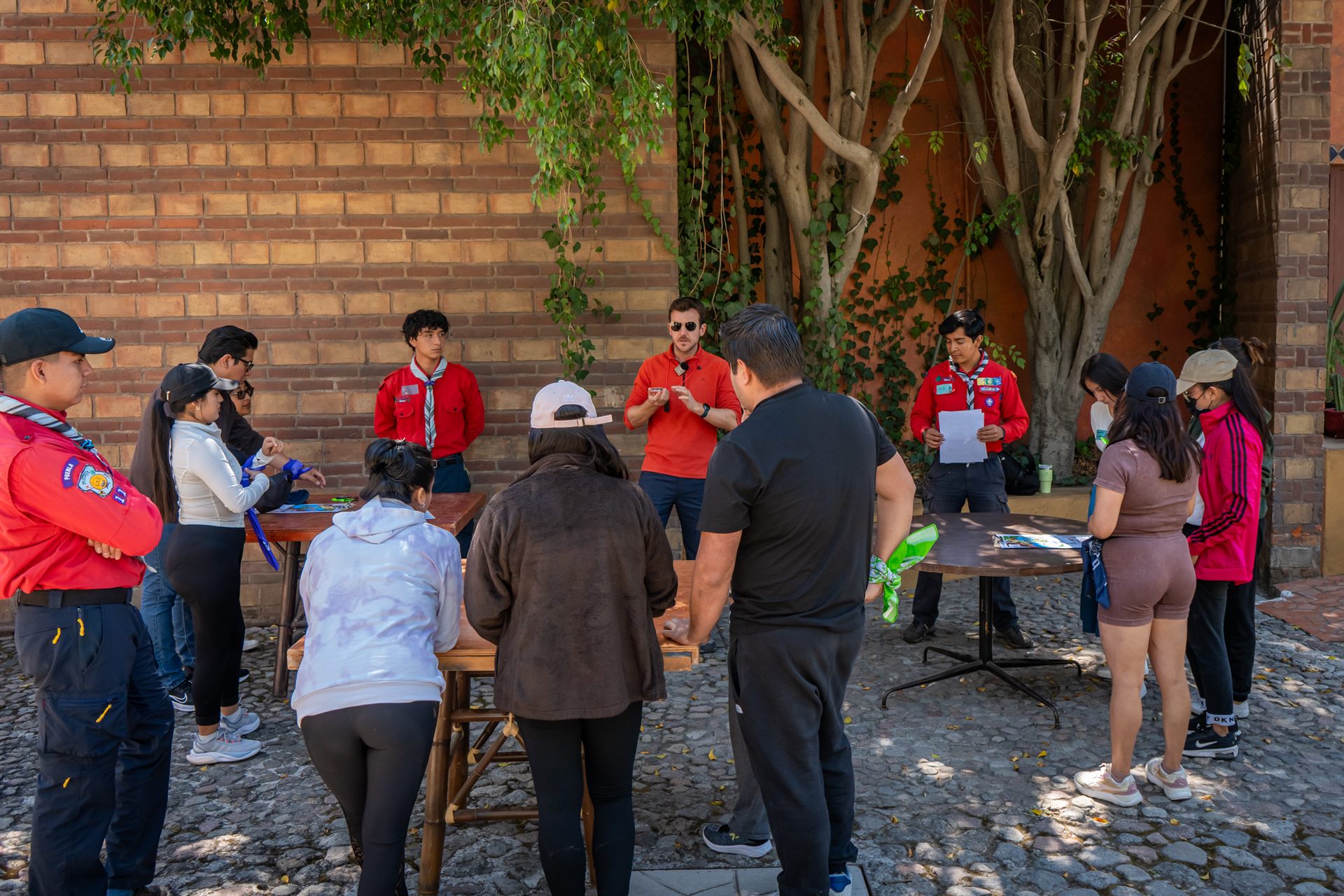
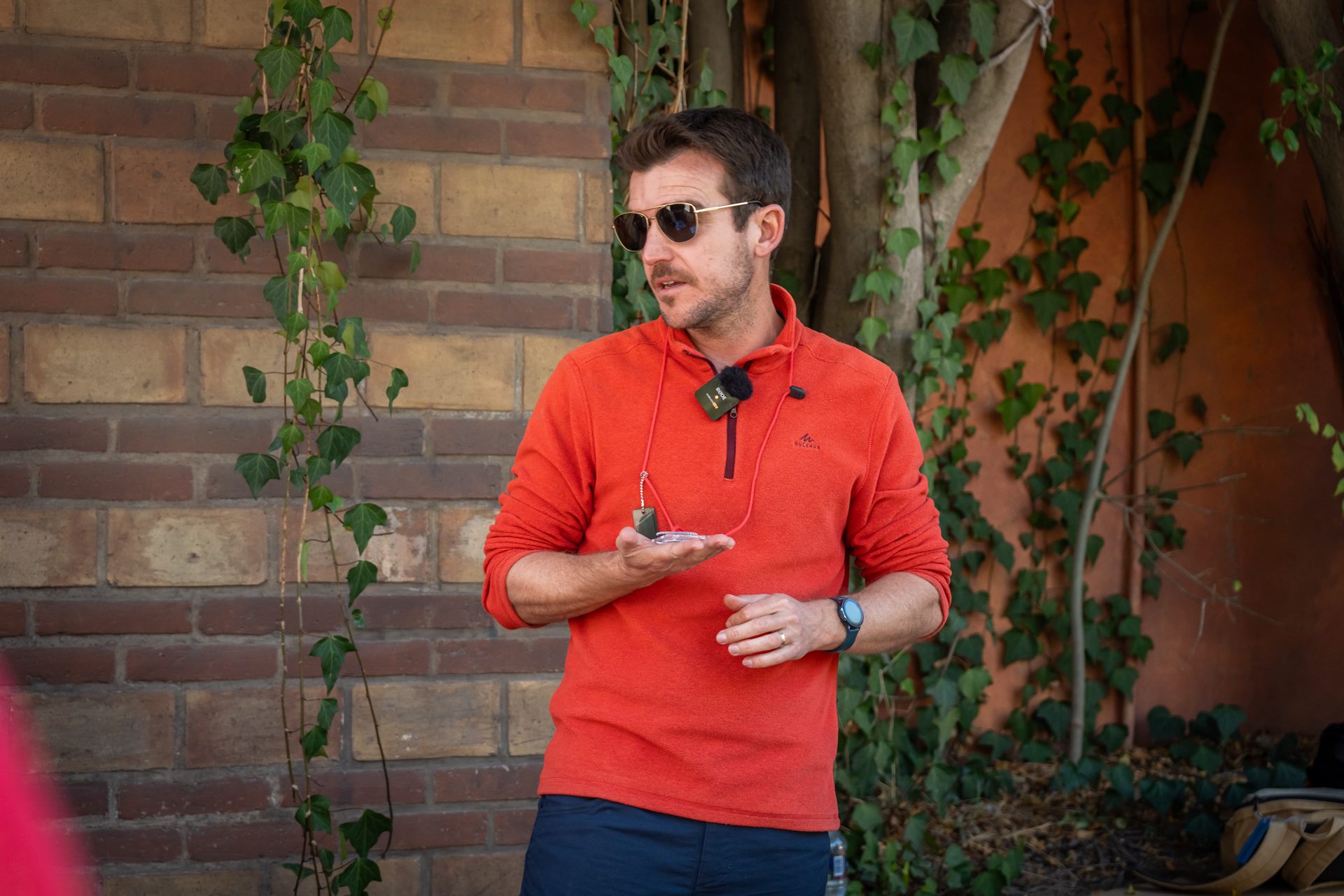
Centro Integral de Rendimiento Deportivo assesses each person's fitness and delivers a tailor-made plan: one built on the indicators that particular person needs to move, rather than a one-size-fits-all program. It's run by Coach Erick Onofre.
What sets it apart from a wellness talk is that it produces numbers. The assessment takes a snapshot of where each person stands (body composition, posture, strength, balance, flexibility), and that snapshot is the baseline everything is compared against later.
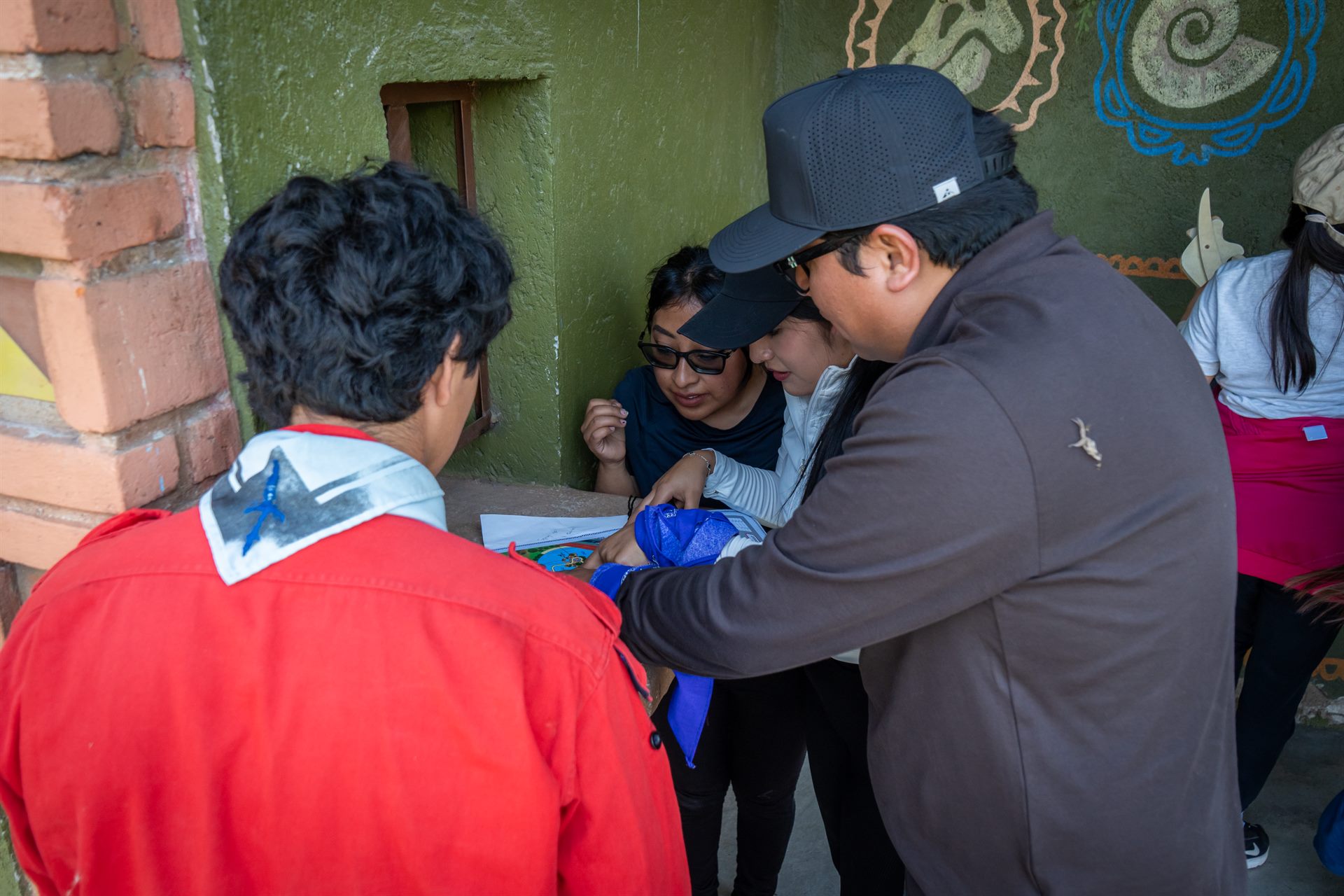
Each participant gets their own report: a physical and anthropometric assessment with skinfold measurements, body fat percentage and kilos, grip strength in each hand, and where they fall against the optimal range for their sex. In the Centro's words, the report doesn't judge anyone as good or bad: it shows their current level so they can raise it.
That's why it's worth repeating. A team that goes for a run and finds out it's out of shape has the diagnosis but not the path. With the assessment, each person gets recommendations, puts them into practice, and at the second measurement sees their own indicators move: their own, not the group average.
That's why it belongs in a program over time rather than a one-off event. The first assessment opens, the sessions in between are the work, and the second closes and proves it.
Results belong to each person, not the company. The medical history and individual report stay between the Centro and the person assessed; the company receives the group overview, with no names. Worth saying when you invite people: their records stay private from HR.
Participation has requirements, and it's best to know them before inviting people. Each person fills out a brief medical history with the Centro, which screens out anyone who shouldn't take part: a recent cardiac event, arrhythmias with hemodynamic compromise, pulmonary embolism or infarction, or an acute infection with fever. Uncontrolled metabolic disease, chronic infectious disease, or any condition that prevents safe exercise is reviewed case by case.
One scheduling rule shapes the program: they ask for 16 hours with no physical activity before the assessment, eight hours of sleep the night before and no food two to three hours prior. The assessment goes BEFORE physical activity, or on a different day, so it's kept apart from the afternoon the team goes for a run.
What the location needs: a room with enough space to take measurements, a separate area for the briefing, personal data forms filled out by each participant and a dress code for those being assessed. The host provides all of this; the Centro does not.
Options
- Body compositionPercentage of body fat, muscle, bone and water.
- Musculoskeletal postureImbalances and asymmetries that may be limiting movement.
- Grip strengthHand grip strength and how it relates to performance and health.
- NutritionEating habits, to design a nutrition protocol that supports performance and health.
- BalanceIndividual balance and fall risk.
- Body strengthReps completed successfully, linked to physical independence and strength level.
- FlexibilityFlexibility by body region, and how comfortable it is to move.